
NAC Became a Disappointment—for Understandable Reasons
For many organizations, NAC failed expectations. Deployment was complex. Operations were harder. Policies multiplied, exceptions spiraled, and NAC often ended up deployed—but quietly ignored. The problem was rarely intent. It was the operating model.
2026 Changes the Question Security Must Answer
As we approach 2026, the security landscape looks radically different. AI-driven threats, automated attacks, SaaS sprawl, cloud-native environments, and remote work have triggered an explosion of security tools. NGFW, SIEM, EDR, XDR, SSE, SASE, DSPM, CNAPP—choice has increased. Clarity has not. One question keeps surfacing: Where is security actually enforced?
What the Genian NAC Release Notes Show
A close review of the Genian NAC 5.0 release notes reveals a clear shift away from the reasons NAC failed in the past. The focus is no longer harsher blocking.
It is handling exceptions realistically.
Operational gaps—such as blocked devices still receiving IP addresses via DHCP—are closed. Audit logs and search capabilities are enhanced so teams can explain why access was allowed. Policy, group, and UI improvements reduce the risk of temporary exceptions becoming permanent liabilities.
The conclusion is straightforward: Genian NAC has evolved into an exception engine—a system designed to absorb unavoidable exceptions, constrain their scope, and preserve evidence.
ZTNA Extends NAC from Control to Operations
This evolution becomes more powerful when combined with Genian ZTNA. ZTNA release notes consistently emphasize operations, not just access:
- Securing administrative workflows
- Maintaining OS and agent compatibility
- Coexisting with existing infrastructure
- Introducing workflow automation with conditional logic, loops, and cryptographic functions
ZTNA moves beyond connectivity. It becomes an operations engine.
Why NAC + ZTNA Matters More Than New Tools
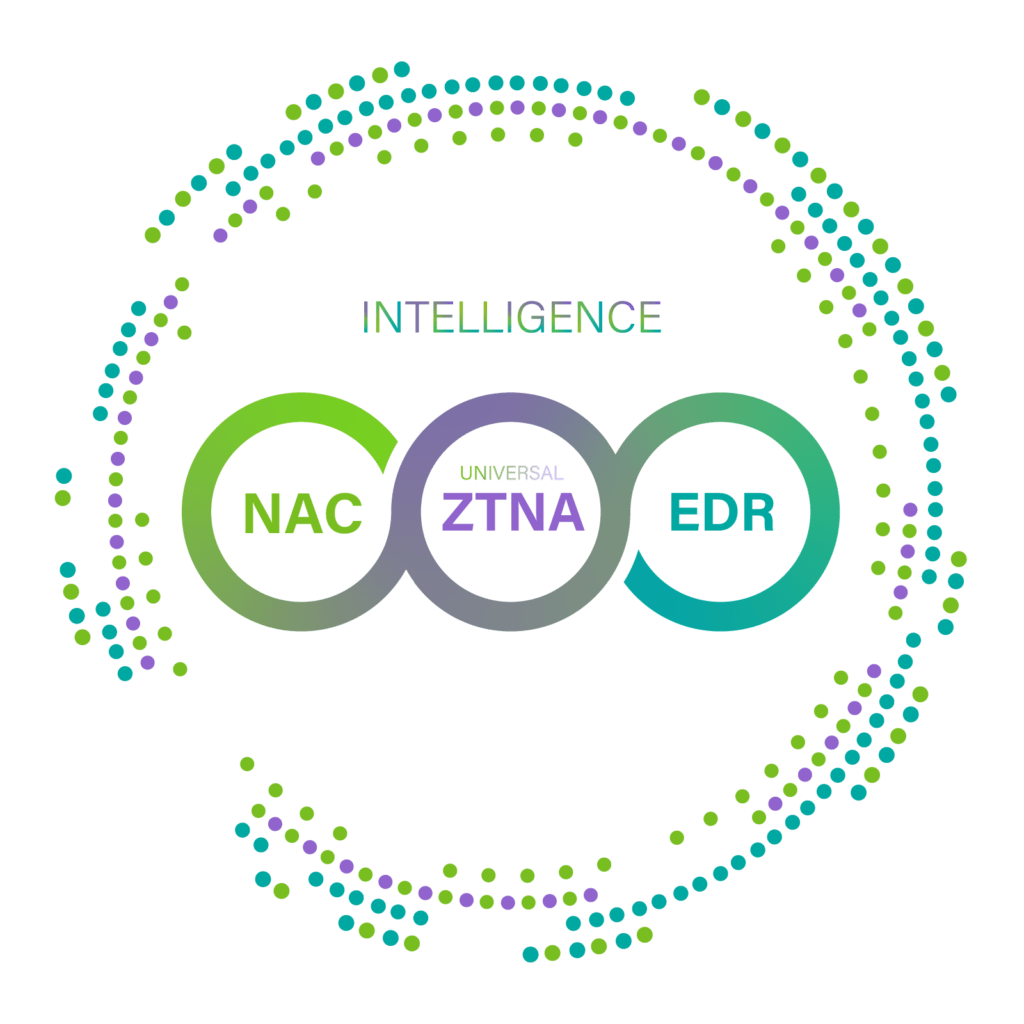
One architectural fact matters most: Genian ZTNA is built on Genian NAC. In an AI-driven security era, decisions are made everywhere—but outcomes are still determined at execution points: connections, sessions, and persistence. Detection-centric tools generate signals.
NAC governs execution. ZTNA operationalizes it.
Together, they form an execution layer many modern tools do not address.
A Second Look, for a Different Reason
If NAC disappointed you in the past, the idea was not flawed—the operating context was incomplete. In 2026, security requires fewer disconnected tools and stronger execution foundations.
That is why it is worth revisiting NAC now. And why experiencing an integrated NAC + ZTNA approach from Genians offers a materially different path forward.