
Cyberattacks are not random; they are meticulously calculated patterns. Building on the foundational insights from our previous exploration, The 2026 Hacker’s Calendar: Your Schedule is Their Weapon, it is clear that for attackers, the Q1 corporate schedule—new budget approvals, organizational restructuring, and regulatory deadlines—serves as the most sophisticated ‘Decision Points.’ These are moments when people and permissions, rather than just technology, are in motion.
While most organizations view threats as isolated monthly events, hackers see the first quarter of 2026 as a unified 90-day campaign. They infiltrate in January, expand in February, and harvest in March. Failing to recognize this rhythm ensures that your defense will always be one step behind.
January: The Organizational Reset Trap — ‘Work-Driven Phishing’ Targeting Uncertainty
January is not merely a month for technical updates; it is a time when the fundamental authority and approval structures of an organization are reset. Attackers prefer January because of this “organizational uncertainty”.
- The Month of Permission Resets: New budget codes are created, cost centers shift, and IT approval workflows reset following executive movements. Crucially, these changes are often handled via email, spreadsheets, and temporary portals. For a hacker, January is the time when the lines of who can approve what are at their blurriest.
- Work-Driven Phishing: Phishing in 2026 no longer simply “baits” you to click a link. Instead, it disguises itself as urgent business tasks the organization must process immediately:
- “FY26 Budget Approval Request”
- “New Vendor Onboarding Procedures”
- “Temporary Access Provisioning for Organizational Reorg”
- Fact Anchor: Recent threat reports indicate that a significant portion of global phishing campaigns are timed to coincide with major global events or leadership transitions. ‘Work-driven messages’ personalized by Generative AI (GenAI) easily bypass security gates and cloud the judgment of practitioners during these hectic transitions.
February: The Supply Chain Paradox — An Official Highway Paved by Regulation
In February, the pressure of NIS2 and DORA begins to manifest as real business risks across the global supply chain. While companies are buried in partner risk assessments, hackers weaponize these very connections.
- The Reality of the Threat: Attackers rarely strike the fortified core directly. Instead, they compromise the accounts of sub-vendors or partners struggling with compliance to walk through the front door.
- Strategic Insight: NIS2 and DORA are defensive regulations, but for attackers, they serve as a blueprint revealing the attack surface. Losing real-time visibility over non-compliant vendors is akin to officially paving a highway into your internal network along with the regulatory documents themselves.
March: The Audit Blind Spot — Data Exfiltration Amidst the Haste
March is the busiest month for corporations, with quarter-end closings and the submission of audit reports. While security resources are diverted to administrative “paper security,” hackers execute the final ‘Monetization’ phase of their campaign.
- The Reality of the Threat: Utilizing permissions harvested in January and February, attackers move through the network to exfiltrate sensitive financial data and Intellectual Property (IP).
- The Data Warning: The impact of ransomware peaks at the end of March—synchronized with external reporting and closings—leading to massive financial losses and executive liability issues.
Genians: The Execution Layer for Organizational Integrity
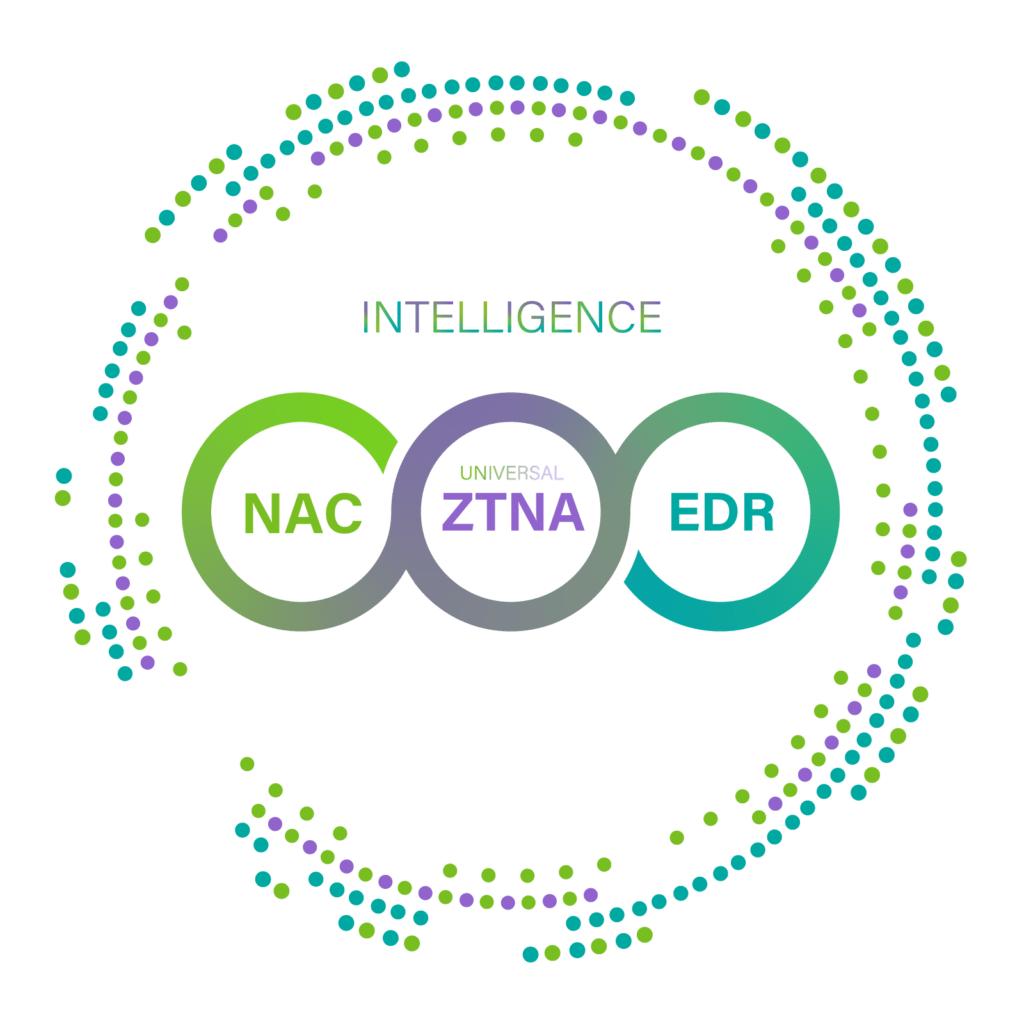
The Q1 hacker campaign is a chain consisting of Access → Movement → Execution. Genians serves as the ‘Organizational Integrity Engine’ that breaks this chain at the operational level.
| Phase | Hacker’s Q1 Campaign Roadmap | Genians Defense Strategy | Core Solution |
|---|---|---|---|
| Access | Phishing via Reorg & Budget (Jan) | Verify device integrity and user account suitability in real-time | NAC |
| Movement | Supply chain bypass via temporary permissions (Feb) | Session-based access control and micro-segmentation (Least Privilege) | NAC + ZTNA |
| Execution | Data exfiltration & ransomware during audit periods (Mar) | Behavior and log-based real-time detection of abnormal data access | NAC + ZTNA + EDR |
Conclusion: Q1 is the Season for Rebuilding the Barn
Hackers wait for the organizational reset of January. Q1 is not the quarter when accidents just happen; it is the quarter when they are designed. Security that merely checks off boxes cannot keep pace with the speed of the attacker.
Reclaim your Operational Sovereignty with Genians by dominating every stage of the attack (Access-Movement-Execution). Q1 is not the time to fix the barn after losing the cattle—it is the season to rebuild organizational integrity so that no one can trespass.